

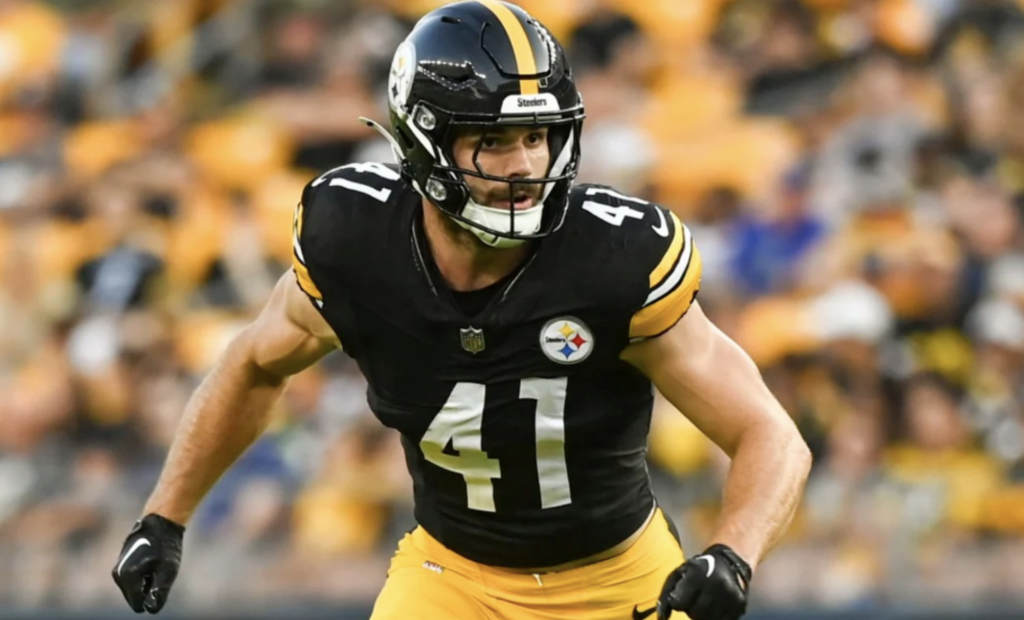
Few teams enter a new NFL season facing as many compelling storylines as the Pittsburgh Steelers. Coaching changes, quarterback decisions, roster battles, and defensive adjustments have reshaped expectations heading toward Week 1.
While talent is present across the roster, the coming weeks will determine whether Pittsburgh can quickly establish its identity or spend the early part of the season searching for consistency under a dramatically different landscape on both sides of the ball.
Assessing the Post-Tomlin McCarthy Transition
The biggest storyline surrounding Pittsburgh is the arrival of Mike McCarthy following Mike Tomlin’s departure. Replacing one of the NFL’s longest-serving head coaches naturally brings enormous expectations, particularly for a team accustomed to stability.
Early training camp has reflected a noticeably different philosophy. Discussions have centered on a higher-tempo, more systematic approach designed to maximize repetitions while maintaining a structured daily routine under Mike McCarthy.
As Week 1 approaches, NFL Week 1 odds provide additional context for expectations surrounding Pittsburgh’s opener, while the team’s early emphasis on execution, communication, and situational preparation has replaced extended full-contact sessions.
Whether that approach translates into immediate success remains an open question. Pittsburgh’s winning culture has endured for decades, but sustaining those standards under a new coaching staff will be one of the season’s defining challenges.
Navigating Aaron Rodgers’ Final Season
Aaron Rodgers has publicly stated that the 2026 season will be the final chapter of his NFL career. That announcement naturally changes the conversation surrounding Pittsburgh’s offense before the season even begins.
The Steelers now face the challenge of maximizing a limited competitive window while remaining focused on weekly improvement. Every decision throughout the season carries greater significance given Rodgers’ timeline.
Behind him, Mason Rudolph currently occupies the backup role on the depth chart. At the same time, Will Howard and Drew Allar continue competing for developmental opportunities as Pittsburgh evaluates its longer-term quarterback outlook.
Balancing those priorities will test the coaching staff. Remaining competitive today while preparing for tomorrow is rarely straightforward, particularly when the franchise is navigating the closing season of a future Hall of Fame quarterback.
Resolving the Warren-Dowdle Backfield Split
Jaylen Warren enters the season as Pittsburgh’s projected starting running back after delivering an encouraging 2025 campaign. His familiarity with the offense provides valuable continuity during a period of broader organizational change.
Rico Dowdle also arrives with momentum after producing a 1,000-yard rushing season in Carolina. His experience gives Pittsburgh another proven option capable of handling meaningful offensive responsibilities in the backfield.
Training camp has featured an even distribution of first-team repetitions between Warren and Dowdle. That workload suggests the coaching staff is still evaluating how both runners fit within the overall offensive approach heading into Week 1.
Whether that split continues into Week 1 remains uncertain. One back may emerge as the lead option through consistency, but the early rotation could reflect Pittsburgh’s desire to maintain flexibility while establishing its offensive identity.
Fixing Run Defense Under Patrick Graham
Patrick Graham begins his first season as Pittsburgh’s defensive coordinator with a clear objective: strengthening a run defense that requires greater consistency. Establishing that foundation will influence nearly every aspect of the defensive unit.
One of camp’s most important competitions involves the nose tackle position, where Yahya Black and Sebastian Joseph-Day continue battling for a prominent role. That decision could shape the front’s overall effectiveness against opposing offenses.
Controlling early downs creates more passing situations, allowing Pittsburgh’s pass rush to operate under more favorable conditions throughout games. The latest NFL news and trends also provide broader context across the league as the season unfolds.
The broader question is whether the reconstructed front seven can provide the stability Pittsburgh expects. If the group consistently controls the line of scrimmage, the defense could become considerably more balanced entering the season.
Protecting Rodgers With a Remade Line
Keeping Aaron Rodgers healthy may be the offensive line’s single most important responsibility this season. With the veteran quarterback entering his final campaign, protection becomes an immediate priority for Pittsburgh’s offense.
The challenge extends beyond individual talent. Pittsburgh’s offensive line continues adapting to a revised blocking system that demands communication, timing, and consistent execution across every position during training camp.
Chemistry cannot be developed overnight. New combinations require meaningful repetitions before operating efficiently, making preseason preparation particularly important ahead of Week 1. Strong communication also helps limit protection breakdowns.
Strong line play would support Mike McCarthy’s balanced offense while limiting unnecessary pressure on Rodgers. Success in the trenches often shapes everything else an offense hopes to accomplish during the course of a season.
Confronting T.J. Watt’s Statistical Decline
Few storylines have attracted more attention than T.J. Watt’s recent statistical decline. After recording 19 sacks in 2023, that production dropped to seven by 2025, prompting broader discussion about the defense heading into 2026.
Other metrics have reinforced those concerns. Watt’s pass-rush win rate has fallen to 11.7%, while he has also dropped in ESPN’s Edge Rusher Rankings and the NFL Top 100.
Statistics rarely tell the complete story. Scheme changes, opposing protection plans, injuries, and surrounding personnel can all influence individual production across multiple seasons. Those factors often extend beyond individual performance.
Even so, Pittsburgh would welcome a return to greater consistency from its premier edge rusher. If Watt rediscovers the disruptive form that defined his best years, the entire defense could benefit from the increased pressure generated up front.
How To Integrate The 2026 Draft Class
The Steelers’ 2026 draft class may not be expected to carry the team immediately, but its influence could grow as the season unfolds. Rookies often earn larger roles through consistent practice performances rather than opening-day expectations.
Several first-year players enter camp with opportunities to contribute in rotational roles. Strong preseason showings could accelerate their path to meaningful snaps on both offense and defense as coaches refine the depth chart.
The transition to the NFL is rarely identical for every rookie. Some adapt quickly, while others require additional time before finding a regular role within the game plan. Early opportunities often depend on performance and roster needs.
For Pittsburgh, meaningful contributions from the 2026 class would strengthen overall roster depth while supporting the team’s long-term outlook. Even modest production could provide additional flexibility throughout the regular season.
The Real Test Begins in Week 1
The Steelers enter the season facing significant change while maintaining the expectations that have long defined the franchise. Coaching adjustments, quarterback management, offensive balance, and defensive consistency will shape the early weeks.
Many questions remain unanswered, but Pittsburgh has the experience and talent to navigate this transition. How quickly those pieces come together will determine whether the Steelers establish early momentum as the regular season begins.